Wanda May Strange's Childhood Home

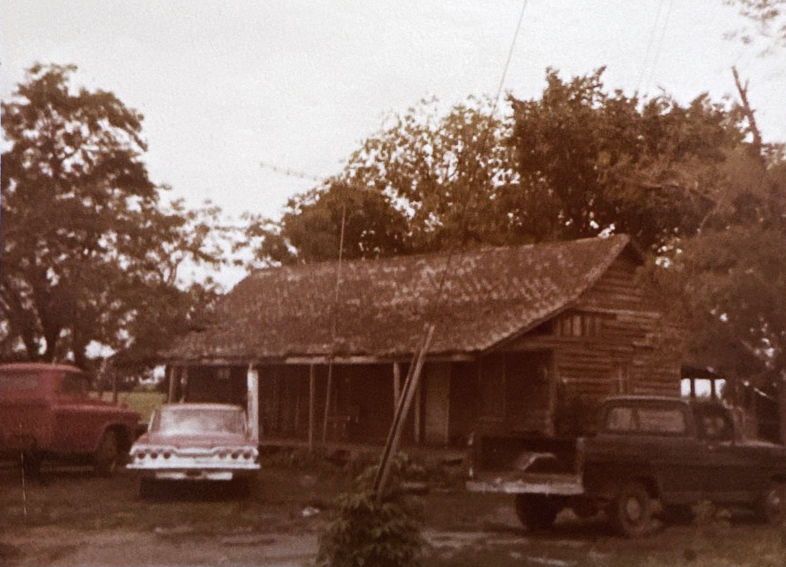
I was born in Pocahontas, Arkansas, on May 15, 1934.* I was a child when we moved to Hayti, Missouri, located in the boot heal of Missouri. We lived in a house that leaked; water would come into the house from the roof. You went up a few steps on the porch to open the door and walk into the house. We had a pretty long kitchen, two bedrooms with two beds in each bedroom, and a living room. My mom had 14 pregnancies and had 13 kids. She was a strong woman. She was 5 '7", and she was 180 pounds. I mean, she was really a go-getter. My mother's name was Josephine Decker. My father’s parents didn't even name him, so he named himself. He called himself Grover. She and my dad went together right.
There were seven boys and six girls. I have three brothers older than I am; I'm the fourth child and the first daughter. Many of us slept in the same room, so we had to double up. My mom and dad slept in the front room. We used blankets and quilts for heat, and we slept close to each other and kept each other warm. You'd be surprised how warm it would be if you were sleeping next to each other. We'd have so much cover on us, we couldn't turn over in the bed. Our bodies sewed together; none of us froze. And that's what you did way back then. That's how you lived.
I worked around the house and helped my mom. To make a living, we picked cotton in the field. We'd have to chop it in the summer, get the weeds out of it so it would grow and start to harvest it in September. My mom would take a flour sack, which was about that far from my shoulder to the ground, and I'd walk around with that. There’d be a piece of cloth or string on it to put it around your neck. You’d pick cotton and put it in that sack, and when you get it full, my dad would empty it into his big sack. The cotton could be heavy. We picked so much cotton that our fingertips would bleed. When we got our trailer full, he would take it into town to sell. We had to go to town on Saturday, and back then you'd get an ice cream cone for a nickel, a piece of bubble gum for a penny. We all went together. We loaded the car up and went in to town, and my mom had a kid on each hand crossing the street. But on rainy days we'd stay home and fight with each other.
Being the oldest girl, I had to do the dishes. The boys did all the chores outside. They fed the cows. We never, never bought food from town; we grew our own. We had a vegetable garden, you name it, we grew it: beans, carrots, potatoes. We'd all go out in the yard, out in the field, and dig up those potatoes. She canned, oh my God, she canned everything. And she made poke salad; it's just like greens. But with a bitter taste. But my mom put baking soda or something in it, and put eggs and vinegar and put that together. It was real good.
We raised watermelon, and we didn't have a refrigerator that was big enough to put them in there whole. And it was hot in the summertime. We had to take a wagon down to the field to get them, because there'd be so many, and bring all of them to the house. Watermelons were coming out of our ears, so we'd stick them under the beds. Mom would cut a melon open and put in the refrigerator to get it cold. It was just an ice box, and the ice man would bring 50 pounds of ice to put in the top compartment. A tube ran from that down the back of the icebox to a pan on the floor, and the melted ice would collect there. By the end of the summer, we’d be sick of watermelon but by December we’d be craving it.
In the kitchen there was a log, maybe as long as a car, with a hollowed-out middle. They filled it full of water and ice and put their milk in jugs and things to keep it cold. Then electricity came, but we didn't have any. We had oil lamps in the house, and we carried them from room to room for light.
We had a chicken house, and my mom would kill the chickens and clean them. We'd have chicken for Sunday. And we had eggs from the hen house, but the chickens would get under the house to lay eggs and we kids had to crawl in there and get them. And the snakes were very bad about eating the eggs.
We had a cow. My mom was a milker, and I had two brothers that could milk. She'd take that cream that formed on top of the milk and put it in a churn to make butter. That was good food back then. My dad had hogs. He would have those hogs killed at the packing house and we’d have fresh ham and cured ham, smoked ham. We had black neighbors, and I remember my dad gave them the intestines when we killed hogs, they'd take the outside of the intestines, it was called chitlins, they said they were the best stuff if you cook them right. Dad told them, he said, you have to come get them. So they carried a horse tub, one on one side, one on the other. And they were just thrilled to death to get those chitlins.
Dad would go to town and buy flour and baking powder and everything that goes into making bread and biscuits. My mom used to put some milk and flour, salt, and baking powder in a bowl. She'd make her own dough because she could feel when it was right, first making a nest then rolling it out. They were good biscuits.
We never knew what it was to go to a doctor. And if we got a cold, my mama would pull out the Vicks. Stinky! She’d take a piece of folded flannel and heat it by the heater, and we slept with that on our chest. Next morning, we could breathe real good. My dad chewed tobacco a lot. When you're out in the cotton patch out where we worked, there were all kinds of bees and stinging things. When I got stung, he’d say, “come here, come here, come here.” And he took that old nasty stuff out of his mouth and slapped it on where I got stung. And whatever was in it, that poison from that bee, I'd get well within a day.
And if we sprang a leg or ankle, my mom would take cotton and she'd pick the seeds out of the cotton and put them in a little pouch. She'd take a hammer and crush those seeds. Oil would come out, and she'd mix vinegar with it and she'd put it on the sprain. It works!
I don't know too much about tornadoes, but I heard my mom and dad talk about seeing them in Arkansas, and every time a storm would come up, the clouds would start boiling. If a big storm was coming our way, my mom would get us in the house and get us in a corner in case something would happen. There was no such thing as a basement back then, and we didn't have storm houses. A tornado never hit our town, but the wind would shake our house. I remember one time I was sitting in the living room with my mother and the wind blew under the house. We had linoleum on the floor and it was raising up, the wind was so strong. I remember that real well. That was like the house was breathing almost.
We had to walk to school about three, maybe four miles to school. Never thought about a ride. My mom would fix us lunch. Jelly and butter, she'd take jelly and put it on bread. They're two pieces of bread together, and that was the best stuff we ever ate. It's not like the gooey stuff like you get nowadays. I'm sure she made the jelly herself.
I had a little baby chick, and I would pick her up and rock her, rock her. And one day she got hit by a car and got killed. My mom didn't realize what she was doing, but she told me, take the shovel, go down the field, dig a hole, and bury her. And I came back with the shovel crying. She said, oh my God, I shouldn't have had you do that. I should have waited until the boys came home from work and have them do it. I don't know how old I was. I really don't know.
Mom did the sewing in the family, too; she would sew and quilt. She had a treadle top sewing machine, and she taught me how to sew on it and how to make quilts. And that was my hobby, making quilts. When the boys' pants and knees would wear out, she said, I'm not throwing them out. So she cut them up into squares and sewed them together.
I had a brother who was deaf, could not hear. She said that when he was about two years old, he was sitting on the sewing machine. She was sewing, and he fell off and hit his head. He never spoke another word. He'd say mama, dada, but he never spoke again. And every time I think of that, every time one of my kids would fall or get hurt, hit their head on something, I’d think, my God, they'll probably never hear again. Somebody in town called him deaf and dumb, and my mom said, my son's not a dummy. He's deaf, but he's not dumb. They never called him deaf and dumb again.
Our closest neighbor was about a fourth of a mile away, and I played with Johnny, one of their daughters. And I remember I went down there one day, they came to let me in and said, you can't play in the backyard no more. Johnny and I had been out in the backyard messing around and saw a black snake. It went under the smokehouse. Between the house and the smokehouse is where we'd make mud cakes, mud pies. That was fun. I guess that snake ran off because we never saw it again, but our parents were scared death for us. We were so afraid of snakes. My dad killed every snake he could. We didn't know which ones were poisonous or not.
I dreamed that someday I'll get out of there and do something besides that. Only one child in our whole family stayed on a farm, a younger sister. She married a farmer's son. That house is way gone, all the houses we lived in are gone. There's nothing there but just solid land.
*Wanda was 92 years old on May 15, 2026.


Comments